

Apotropaic burial rituals
Across eighteenth- and nineteenth-century Europe, agrarian communities confronted sudden waves of mortality with ancient defensive rites. When fear of the restless dead gripped a village, families turned to physical deterrents and ritual interments designed to anchor corpses within their graves.
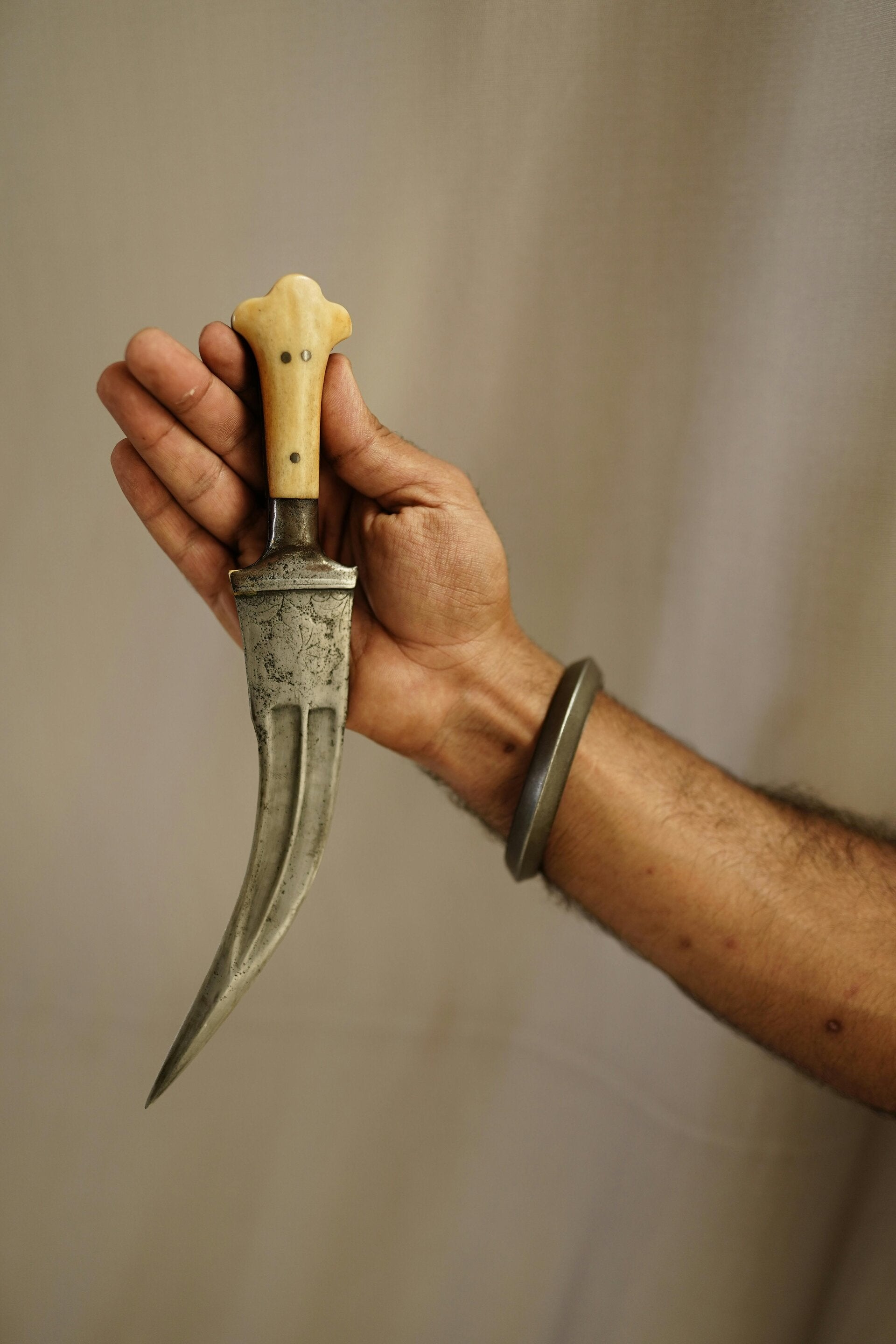
Iron sickles and blade deterrents
In regions such as Poland and southeastern Europe, excavators have discovered skeletons interred with curved iron sickles placed directly across the neck or abdomen. These implements served as visceral safeguards: should the deceased attempt to rise from the grave, the sharpened edge would sever the throat, halting any nocturnal prowling before it could endanger the living.
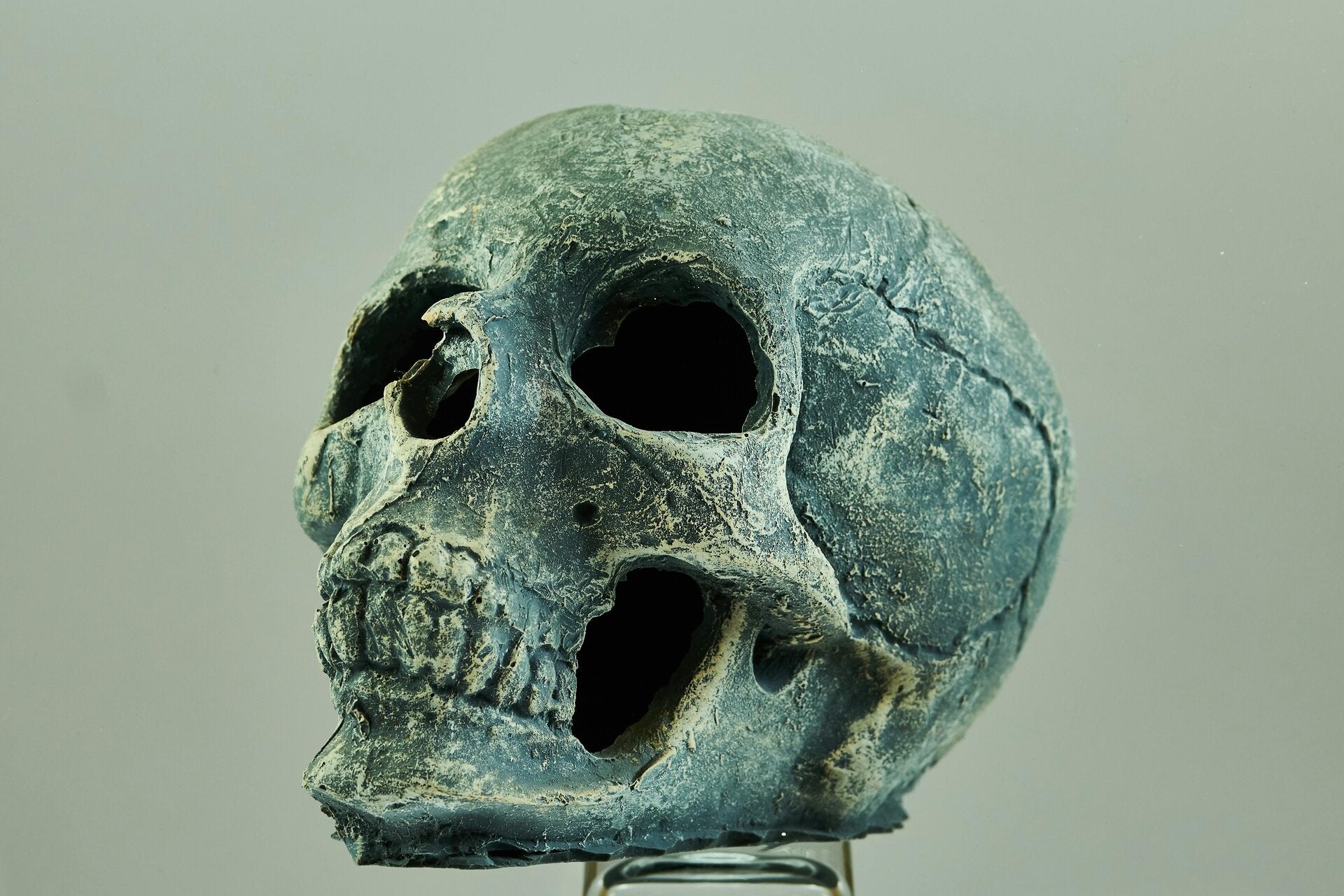
Stone seals and oral barriers
Known historically as shroud-eaters or nachzehrer, certain corpses were suspected of chewing their grave linens and spreading contagion from beneath the earth. Gravediggers combated this fear by forcing heavy stones or masonry bricks between the jaws of the deceased, rendering the mouth immobile and neutralizing the corpse's supposed supernatural feeding.

Corpse staking and prone interments
When initial precautions failed and villages suffered recurring illness, communities sanctioned exhumations. Bodies displaying delayed decay were staked to the ground with iron spikes or hawthorn stakes. In other cases, suspects were buried face down in prone positions, ensuring that any instinctive digging would drive the creature deeper into the earth rather than toward the surface.
Create Your Own Website With Webador